Dodhimongol Ritual in Bengali Wedding: The Quiet Meal Before a Lifetime Begins
Dodhimongol, an early morning food ritual in Bengali weddings where the bride and groom eat chire, misti doi, sweets, and milk before dawn.
STORY WRITINGBLOG WRITING
Before the conch shells echo.
Before the ulludhonni rises.
Before the bride steps into red and the groom into responsibility.
There is Dodhimongol, one of the most cultural and meaningful Bengali wedding rituals, performed quietly before dawn.
Often searched as Dodhimongol ritual or Dodhimongol meaning in Bengali wedding, this early morning food ceremony carries the emotional and spiritual weight of the entire marriage day, even though it unfolds in silence.
What Is Dodhimongol in a Bengali Wedding
Dodhimongol is an early morning food ritual in Bengali marriage traditions, given to the bride and groom before the break of dawn on the wedding day. According to traditional Bengali marriage rituals, this is the only food they consume throughout the day until all wedding ceremonies are complete.
There is no elaborate feast.
No indulgence.
Only a symbolic meal that prepares both body and mind for the long and sacred journey ahead.
For those asking what is Dodhimongol ritual in Bengali marriage, it represents nourishment, discipline, and transition, much like Aiburobhat, another deeply symbolic pre wedding meal that marks the farewell to unmarried life.
Dodhimongol Meaning and Significance in Bengali Culture
The meaning of Dodhimongol goes far beyond food.
In Bengali pre wedding rituals, the wedding day is considered spiritually charged. Eating only once symbolises deeper values that guide the transition into marriage.
Why Only One Meal Is Eaten on the Wedding Day
This ritual practice represents:
Physical restraint and ritual purity
Mental clarity before sacred ceremonies
Emotional grounding before lifelong commitment
This Bengali wedding food ritual marks the pause between who the bride and groom were yesterday and who they will become by sunset.
It also explains a commonly searched question: why Dodhimongol is the only food eaten on a Bengali wedding day. The day is meant to be endured with intention, not excess.
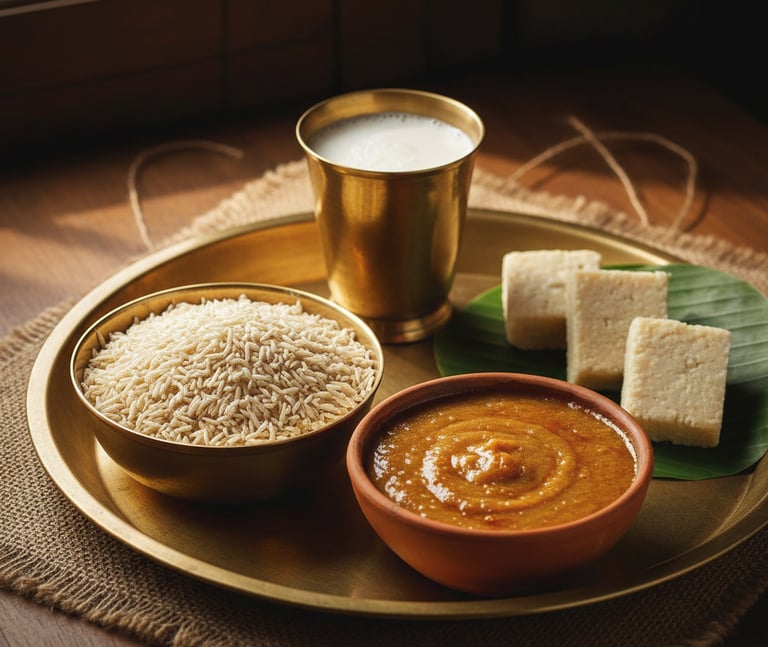
Dodhimongol Food: What Is Eaten and Why
The food eaten during Dodhimongol is simple, sattvic, and deeply symbolic, reflecting the values of traditional Bengali wedding rituals.
Chire (Flattened Rice)
Light, humble, and grounding. Chire represents sustenance without excess and the strength of simplicity.
Misti Doi (Caramelised Curd)
Soft and slow made, misti doi symbolises sweetness in married life that is patient, calm, and enduring.
Traditional Bengali Sweets
Offered in small portions, these reflect measured joy and the promise of happiness without indulgence.
Milk
Milk represents purity and calm, binding the ritual together just as companionship binds two lives.
The Atmosphere of the Morning: Dodhimongol Ceremony
Dodhimongol does not take place in isolation.
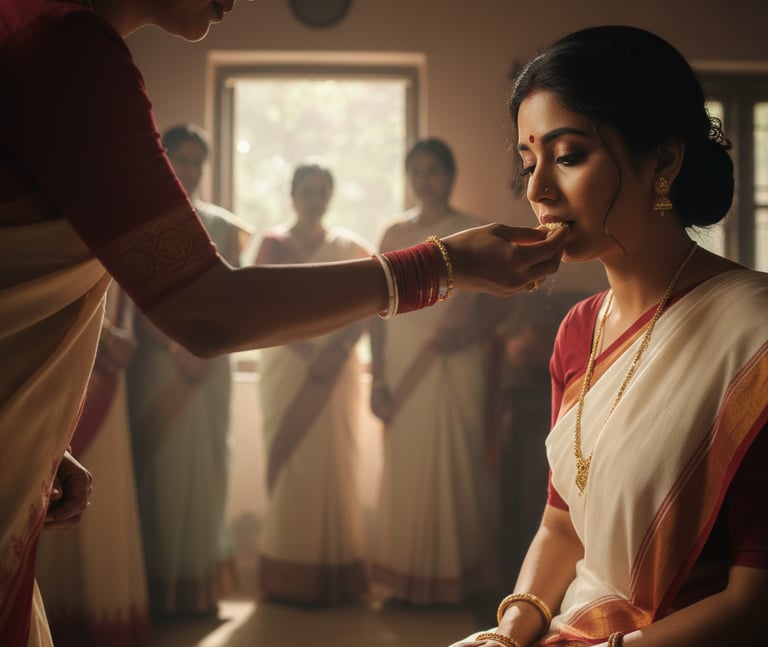
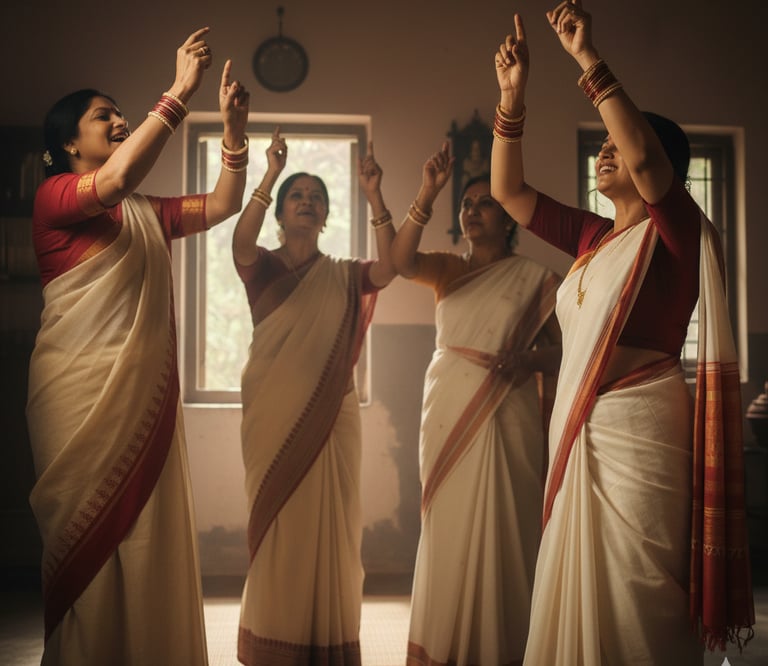
As the sky hesitates between night and dawn, the bride and groom are surrounded by married women of the family. Mothers, aunts, and elder sisters in law gather quietly, women who have already walked the path the couple is about to begin.
They do not merely observe.
They perform the ritual of feeding.
Each mouthful is offered with care and blessing. With every bite the bride or groom takes, the air fills with ulludhonni, the rhythmic traditional ululation of Bengali weddings.
The house awakens softly.
Not with celebration, but with continuity.
There are no crowds yet.
Only women, ritual food, quiet faith, and the certainty that life is about to change.
Why Dodhimongol Matters in Modern Bengali Weddings
In a time when weddings are louder and more performative, Dodhimongol remains deeply introspective.
It reminds us that:
Marriage begins before ceremonies, not after
Strength is built through restraint
Sacred transitions deserve silence as much as celebration
For many couples, the significance of Dodhimongol is understood only years later, when marriage itself teaches patience, endurance, and shared resilience.
A Bengali Wedding Ritual That Feeds More Than the Body
Dodhimongol feeds the body just enough.
But it feeds the soul completely.
Before a lifetime of shared meals, there is this one. Eaten before dawn, guided by married women, wrapped in ulludhonni, and rooted in centuries of Bengali marriage traditions.
This blog is part of our ongoing Bengali Wedding Rituals Series by The Author Factory, where customs like Aiburobhat and Dodhimongol are preserved through emotion led storytelling rather than spectacle.
Read Our Bengali Wedding Series Now
Explore more rituals, meanings, and cultural stories from traditional Bengali weddings.