Aiburobhat: The Last Feast Before Marriage — A Bengali Wedding Ritual That Celebrates Heritage, Blessings & New Beginnings
Discover Aiburobhat, the Bengali pre-wedding ritual that marks the last feast before marriage, rich in culture, tradition, and spiritual meaning. Explore the cultural and spiritual significance of this Bengali wedding ritual celebrated before marriage.
BLOG WRITING
The day before a Bengali wedding ceremony carries a unique kind of magic — one that blends nostalgia, spirituality, and the warmth of Indian family traditions. As the sun rises gently over the household, there is a quiet understanding that this day will be unlike any other, for it marks the time-honoured ritual known as Aiburobhat, one of the most cherished Bengali pre-wedding customs.
This ritual, often searched globally as the Bengali pre-wedding lunch or Aiburobhat ceremony meaning, is far more than a festive meal. It is a cultural embrace, a spiritual send-off, and the symbolic farewell to one’s unmarried life — a tradition deeply rooted in Bengali families across India and diaspora communities in the UK and the US.
A Morning Steeped in Cultural Ritual and Indian Tradition
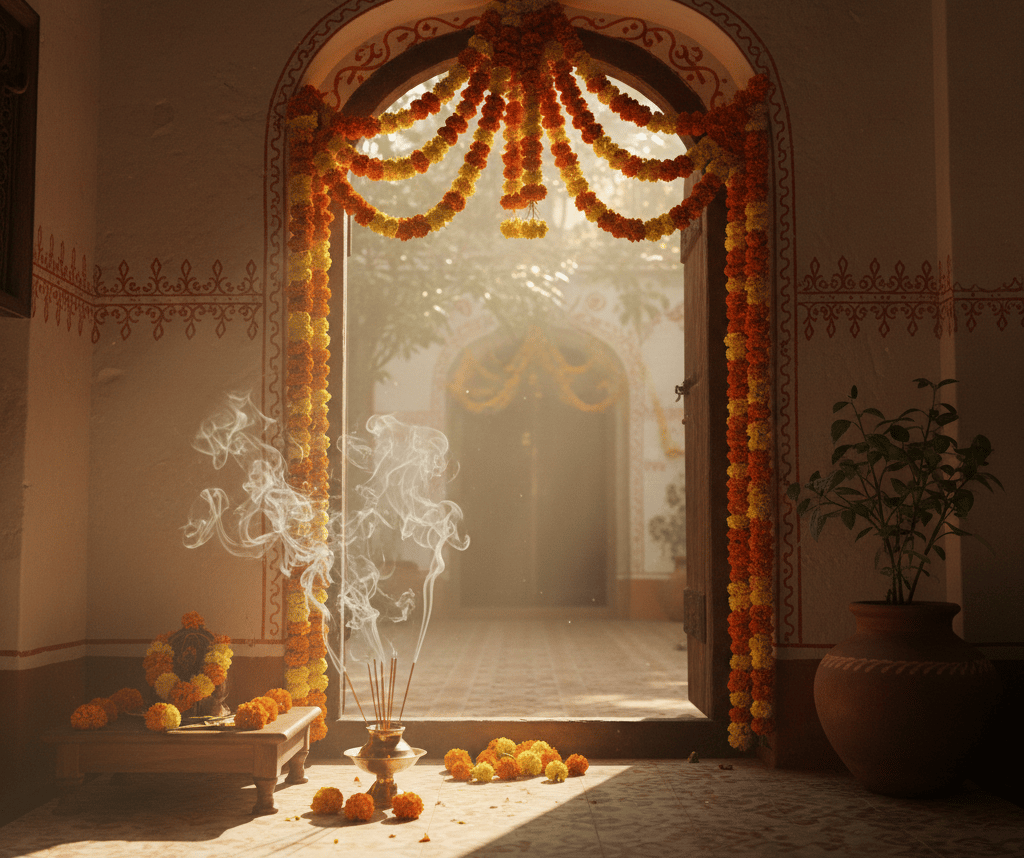
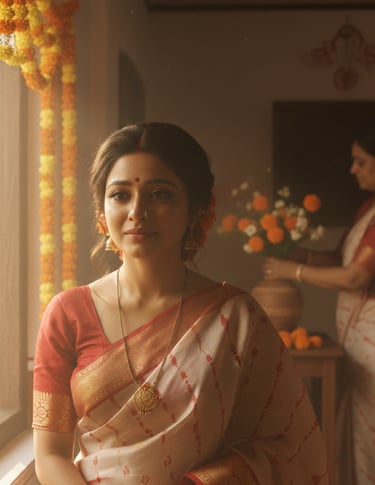
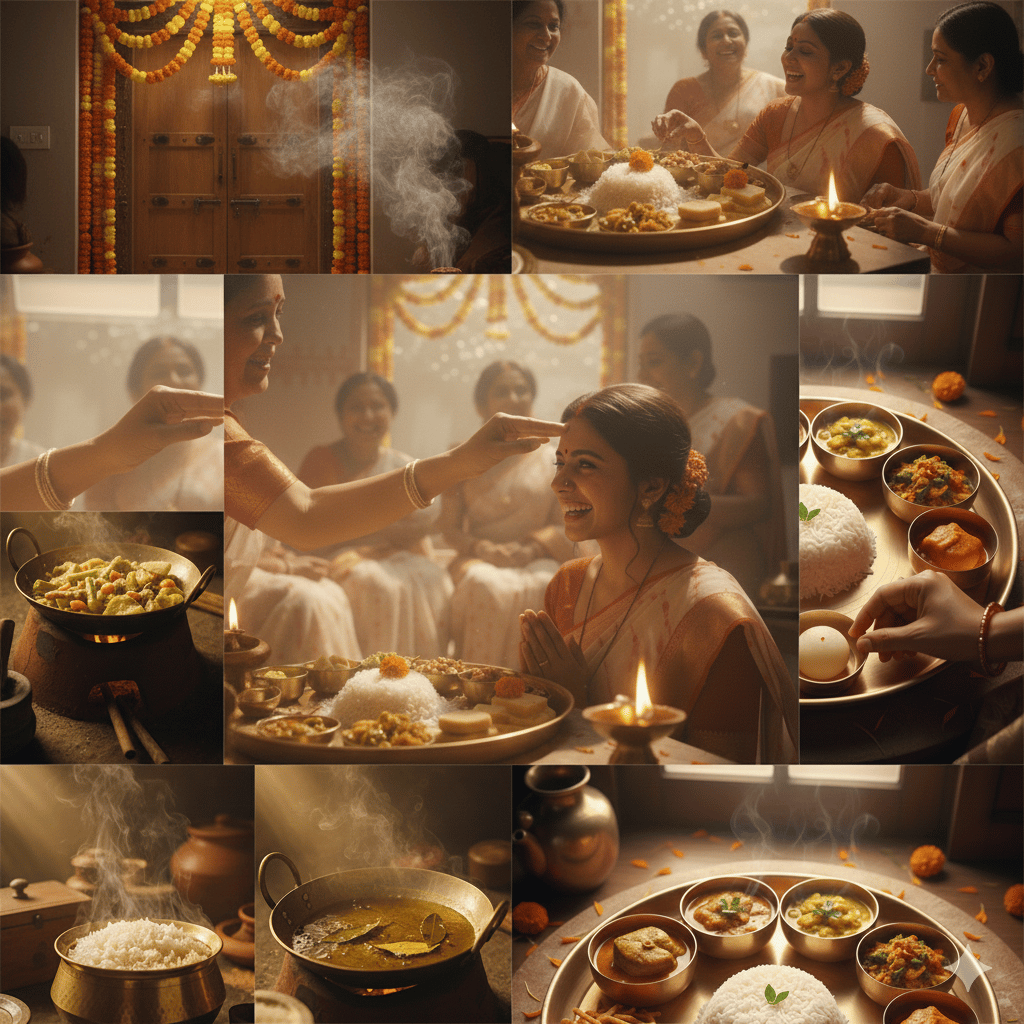
The home awakes to a familiar yet profound rhythm. Incense smoke curls through doorways, invoking spiritual purity. Fresh flowers adorn the thresholds, as they do in many Indian wedding traditions, symbolizing grace and auspicious beginnings.
Ritual Preparation of the Bride or Groom
The bride or groom is bathed in rituals that reflect both Hindu wedding customs and regional Bengali beliefs — dressed in new clothes, marked with sandalwood or vermillion, and prepared to receive blessings.
This quiet preparation reflects what many search for as the spiritual significance of Bengali wedding rituals.
Even in modern cities such as Kolkata, London, or New York, the essence of Aiburobhat remains unchanged: a family preparing to honour their child one final time before marriage transforms them.
The Feast That Defines Aiburobhat — A Cultural Masterpiece of Bengali Cuisine
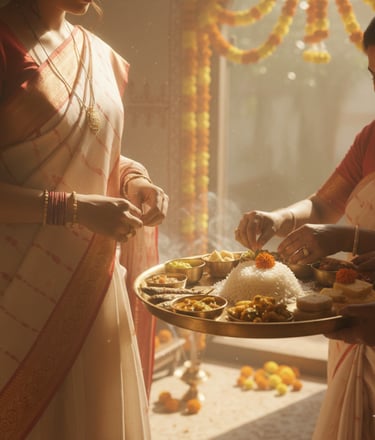
As the day unfolds, the household transforms into the vibrant heart of traditional Bengali culture. The kitchen becomes a sanctuary of aromas tied to memory and heritage. This is no ordinary meal — this is the bride or groom’s last ceremonial feast before marriage, a concept deeply rooted in Indian values of nourishment, protection, and abundance.
Traditional Bengali Dishes Served During Aiburobhat
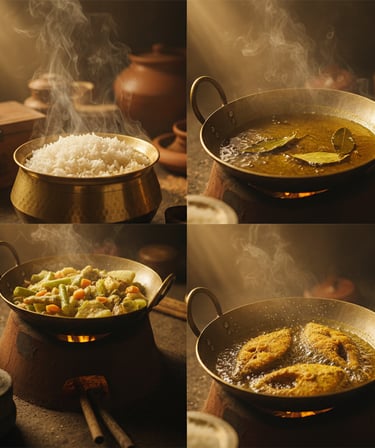
Rice steams until each grain is soft and fragrant. Vegetables crackle inside mustard oil, their golden edges reminiscent of every grandmother’s kitchen. The beloved shukto, a bittersweet Bengali dish often highlighted in searches for authentic Bengali food traditions, simmers patiently.
Fish takes centre stage, as it always does in Bengali culinary customs — Hilsa, Rohu, or prawns cooked in mustard, coconut, or light curry. In many homes, a rich mutton curry bubbles gently, signalling celebration and family lineage.
The Role of Mishti in Bengali Wedding Rituals
The meal concludes with mishti — rasgulla, sandesh, or payesh — sweets that complete every Indian wedding ritual with the promise of prosperity, happiness, and a sweet married life.
Families across the UK and US often recreate these dishes with care, making Aiburobhat a powerful emotional bridge between generations living continents apart.
The Emotional and Spiritual Significance of Aiburobhat
Though Aiburobhat is celebrated through food, its essence lies in the deeper values that shape Indian and Bengali wedding traditions.
This meal is the family’s way of expressing:
“Before you step into marriage, let us nourish you one last time.”
Symbolic Meaning of Aiburobhat in Bengali Weddings
Often searched as the symbolic meaning of Aiburobhat, this ritual represents the final embrace of childhood before the responsibilities of married life begin.
It is a blessing made edible — blending cultural symbolism, family love, and spiritual grounding.
Parents offer this meal not just to fill the stomach but to fortify the soul. Elders share memories, laughter fills the room, and the bride or groom absorbs the significance of stepping into a new identity and a new household.
Whether celebrated in a Kolkata home, a London apartment, or a New Jersey suburb, its emotional weight remains unchanged.
Aiburobhat’s Place in the Grand Story of Bengali Wedding Rituals
Every Indian wedding ritual plays a narrative role, and Aiburobhat is the chapter where sentiment and tradition merge into one unforgettable moment.
Aiburobhat as the Emotional Foundation of the Wedding
Before the music of the Gaye Holud, before the vibrant wedding mandap, before the sacred vows and sindoor, Aiburobhat becomes the emotional foundation on which the entire celebration stands.
It reminds the bride or groom of where they come from — before they step into who they are about to become. It strengthens family bonds, preserves cultural identity, and ensures that the taste of home and the blessings of elders accompany them into married life.
A Legacy That Lives Beyond the Wedding
Long after the wedding festivities fade, the memory of Aiburobhat endures. It becomes the story shared at future gatherings, the recipe a newly married daughter calls home to ask for, the ritual the next generation will someday inherit.
In diaspora communities across the UK and US, preserving Aiburobhat becomes an act of cultural preservation — a way of staying rooted in Bengali heritage despite distance and time.
This is why searches for traditional Bengali wedding customs continue to grow worldwide. Aiburobhat is not merely a meal — it is culture, history, identity, and love served on a plate.
The Author Factory’s Bengali Wedding Storytelling Series
As The Author Factory begins its journey into Bengali wedding storytelling, Aiburobhat stands as the perfect opening chapter — rich in emotion, steeped in heritage, and resonant across cultures.
Here, food becomes memory.
Rituals become blessings.
And tradition becomes the bridge between past and future