Winter Series Part 3: Koraishutir Kochuri | Bengali Winter Breakfast Tradition
Koraishutir Kochuri is a traditional Bengali winter breakfast made with fresh green peas and served with alur dom. Winter Series Part 3 explores its seasonality, home kitchens, and winter food culture in Bengal.
STORY WRITINGBLOG WRITING
Koraishutir Kochuri: Meaning, Tradition, and the Taste of Bengali Winter Mornings
Koraishutir Kochuri is not an everyday dish in Bengali homes.
It arrives with winter and leaves with it.
Made from fresh green peas that appear briefly during the colder months, Koraishutir Kochuri is a traditional Bengali winter food rooted in seasonality. It belongs to foggy mornings, slow breakfasts, and kitchens that wake up before the sun.
Paired most often with alur dom, this seasonal kachori is less about indulgence and more about memory, timing, and the rhythm of winter mornings in Bengal.
This is winter, fried gently.
What Is Koraishutir Kochuri?
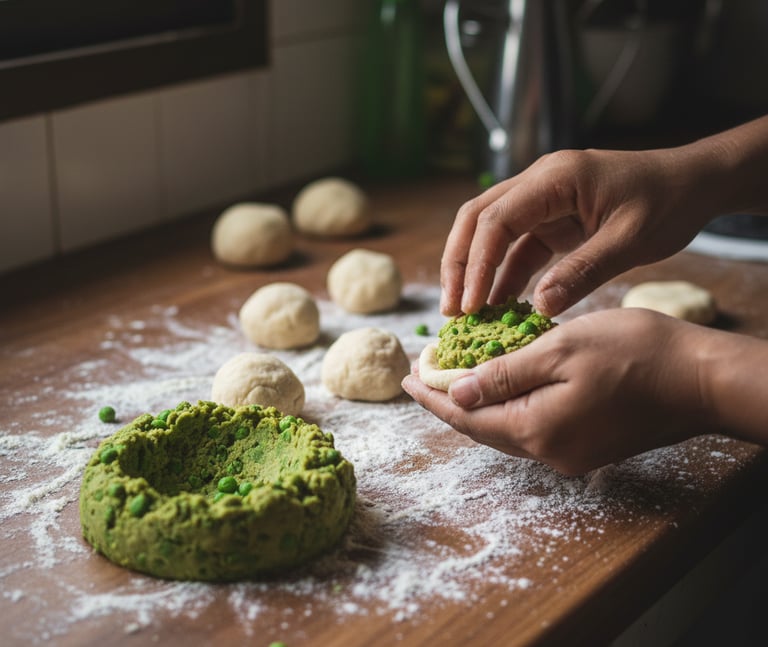
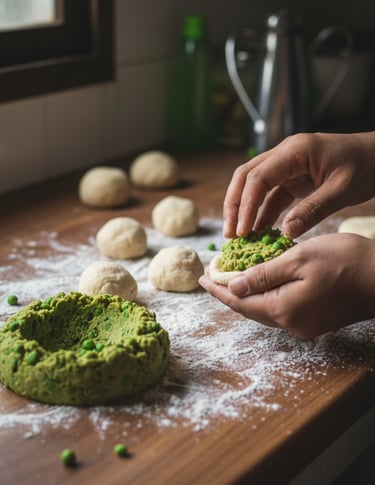
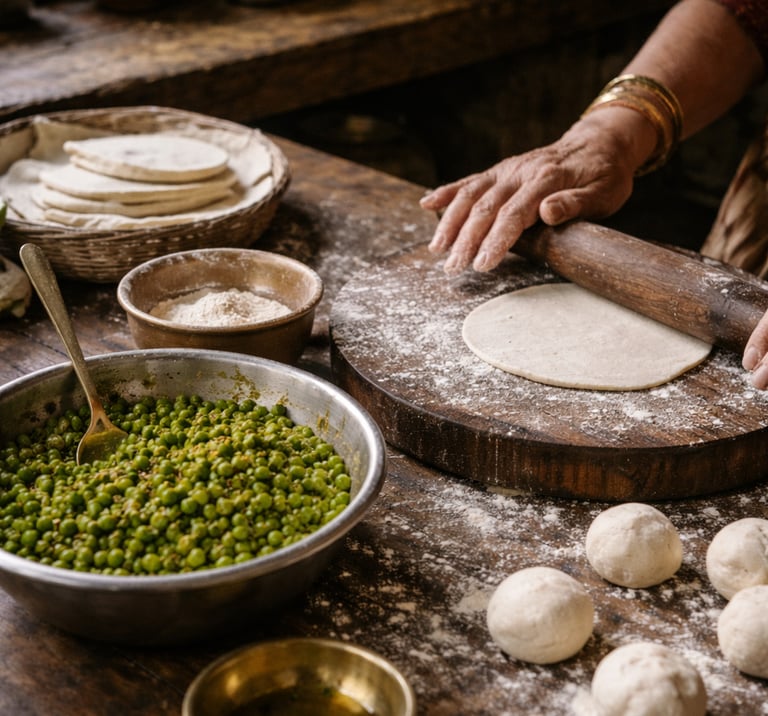
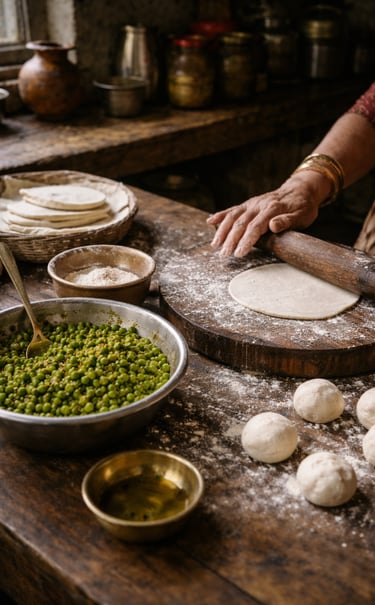
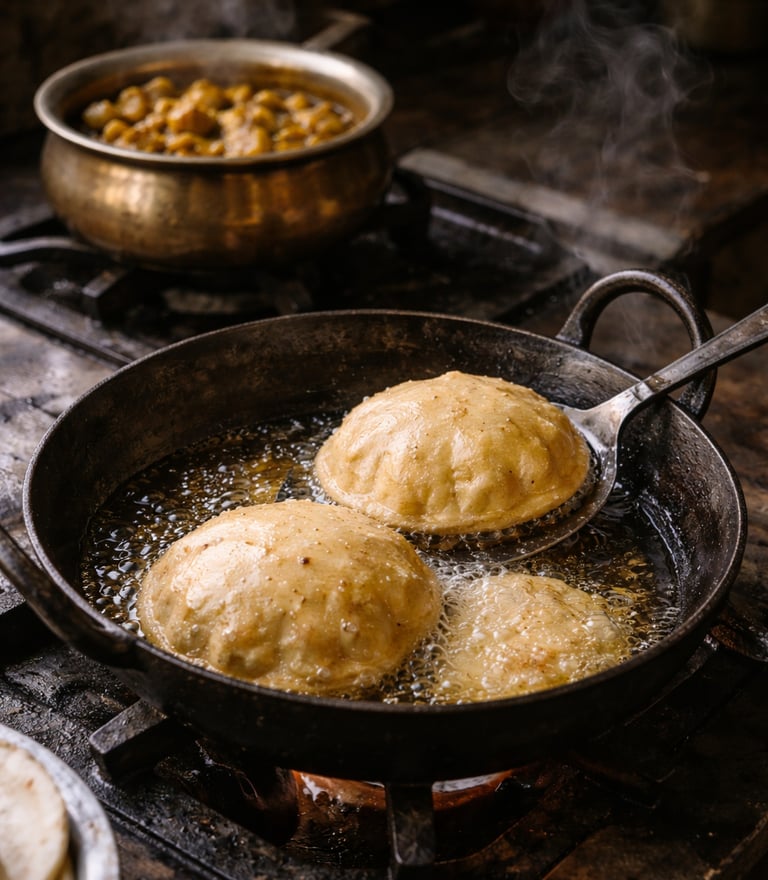
Koraishutir Kochuri is a traditional Bengali winter delicacy prepared by stuffing soft dough with a paste of freshly ground green peas.
The peas are lightly spiced, cooked slowly, and sealed inside the dough before being rolled and fried. As the kochuri puffs in hot oil, it turns crisp on the outside while remaining soft and fragrant within.
Unlike regular kachori varieties available throughout the year, Koraishutir Kochuri is deeply seasonal. It is widely recognised as a Bengali winter breakfast, prepared almost exclusively when fresh green peas are available.
Its identity cannot be separated from winter.
Why Koraishutir Kochuri Is Made Only in Winter
The reason lies in the peas.
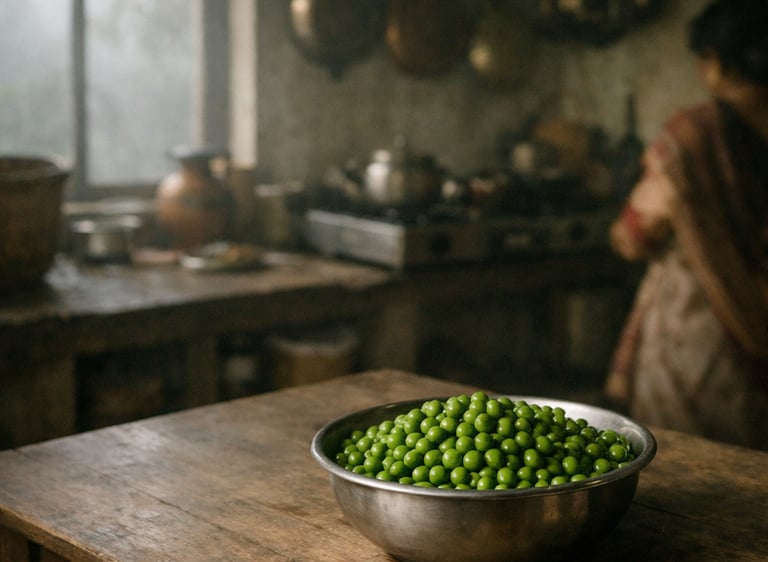
Fresh green peas arrive only once a year, sweet, tender, and aromatic in a way frozen or stored peas never are. Bengali winter cooking has always respected this natural cycle.
The Importance of Fresh Green Peas
The peas do not ask to be preserved.
They ask to be used immediately.
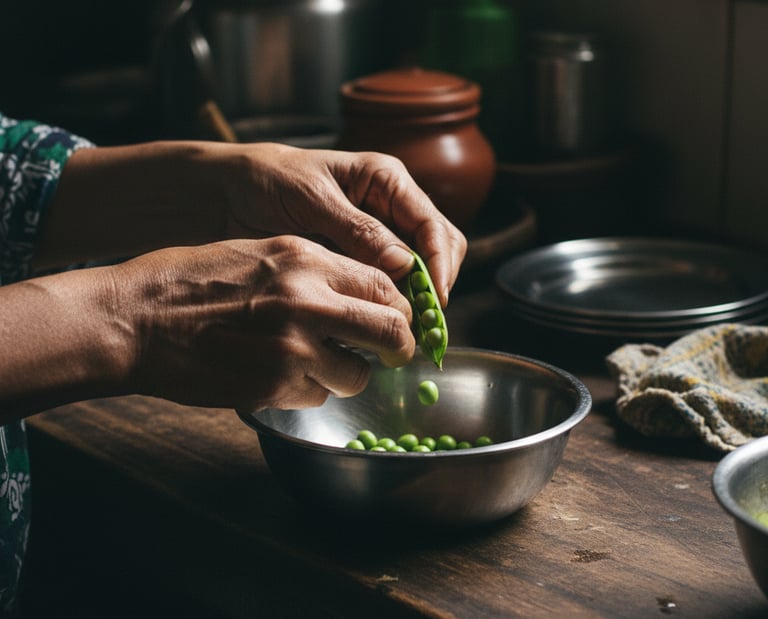
In Bengali homes, peas are shelled by hand, ground slowly, and cooked gently so their sweetness remains intact. This careful process defines winter food in Bengali households, where seasonality matters more than convenience.
Koraishutir Kochuri exists because Bengalis respect what winter offers.
What the season gives is accepted, not stretched.
The Role of Alur Dom as the Perfect Companion
Koraishutir Kochuri is rarely eaten alone.
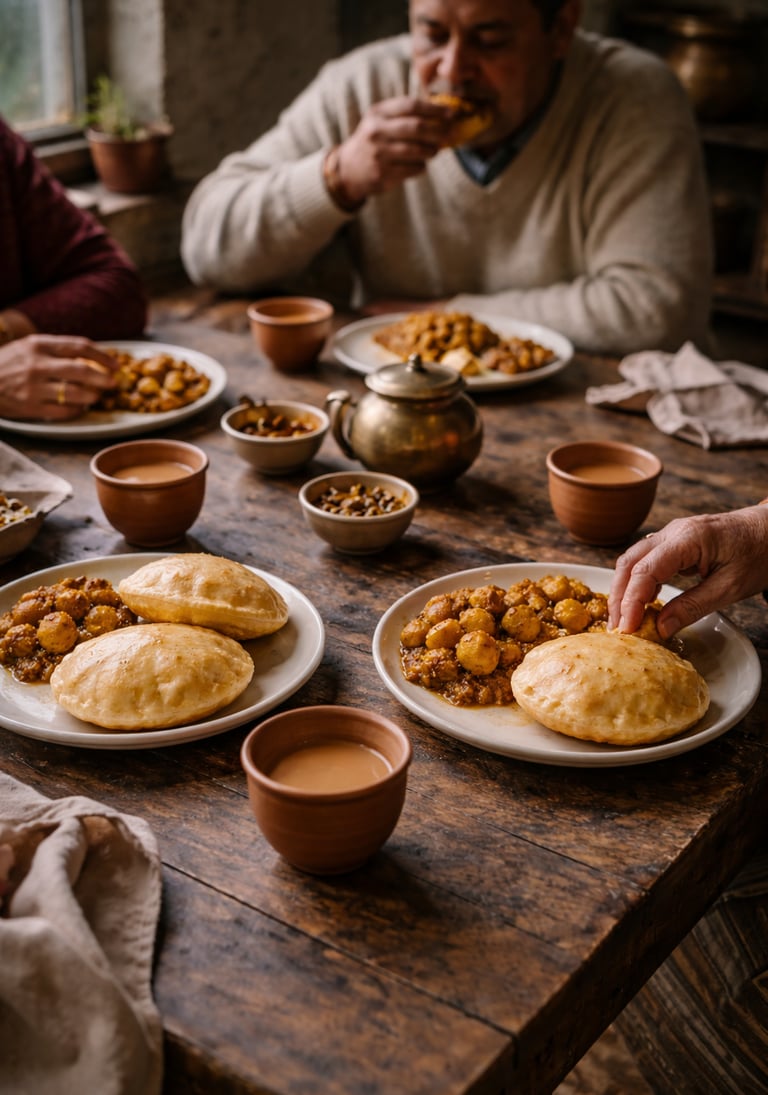
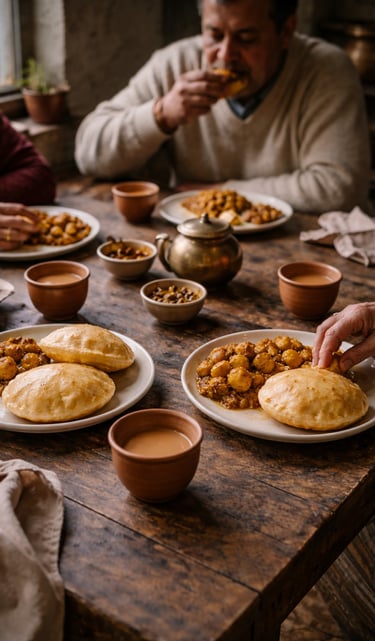
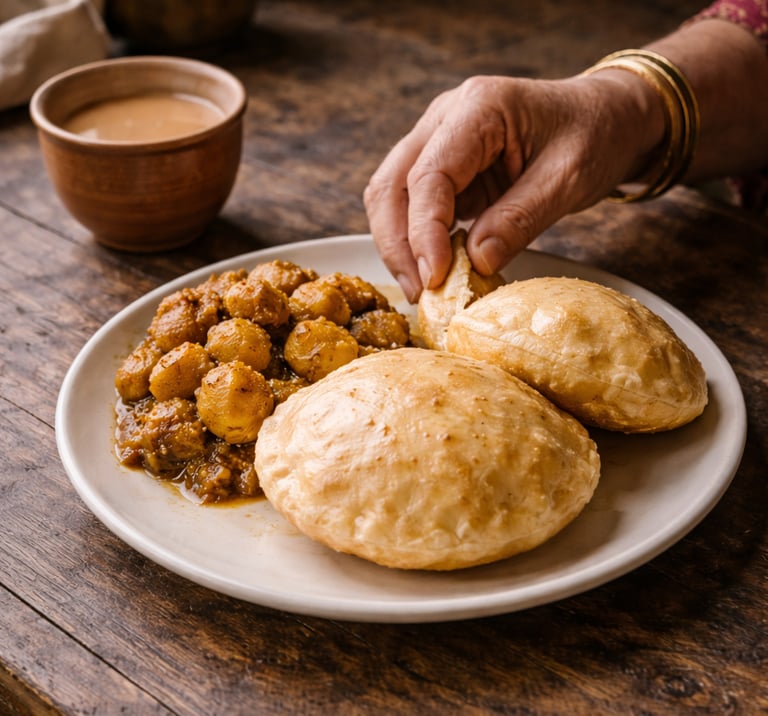
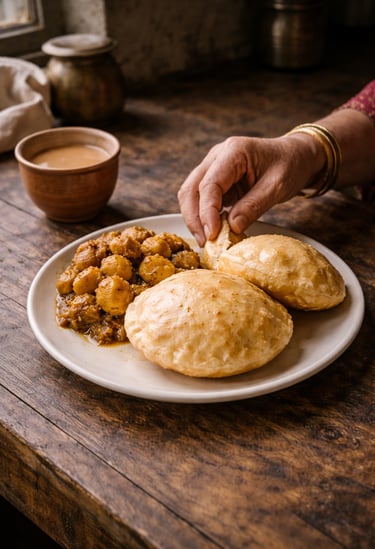
It is most often paired with alur dom, a soft potato curry cooked with gentle spices. This pairing is a defining feature of the dish and is closely associated with winter breakfasts in Bengali homes.
The natural sweetness of green peas needs balance, not contrast. Alur dom adds warmth and depth without overpowering the kochuri, allowing both flavours to remain distinct yet complete.
Together, they form one of the most familiar expressions of traditional Bengali winter food.
A Winter Breakfast, Not a Festival Dish
Koraishutir Kochuri belongs to the morning.
It is not made for ceremonies.
Not served to impress guests.
Not reserved for festivals.
It is eaten hot, often straight from the pan, while the day is still quiet.
Shared at home.
With time.
This is not celebration food.
This is belonging food, a Bengali winter breakfast meant to be enjoyed slowly.
The Ritual of Making Koraishutir Kochuri
Making Koraishutir Kochuri is a ritual in itself.
There are no strict measurements.
Hands know when the dough is ready.
Taste decides the spice.
Peas are shelled as conversations drift through the kitchen. The stove stays warm longer than planned. Winter mornings slow everything down, including time.
This is not efficiency.
This is inheritance.
In many Bengali households, this way of cooking reflects how traditional Bengali food is passed down, through watching, remembering, and repeating.
Why Koraishutir Kochuri Tastes Like Memory
Because it disappears.
Once the peas are gone, the dish is gone too.
There are no shortcuts.
No substitutes.
You wait an entire year for it to return.
That waiting gives the first bite its weight. The smell of frying dough. The softness inside. The quiet satisfaction of eating something that cannot be rushed.
This fleeting nature connects Koraishutir Kochuri to other winter traditions explored in the Winter Series. Earlier stories reflect on Khejur Rosh, a winter sweetness that disappears with the season, and Poush Parbon, the month of harvest, gratitude, and quiet rituals.
Together, these stories show how winter in Bengal is experienced not through excess, but through timing.
Much like Koraishutir Kochuri, other stories in our Winter Series also explore how Bengali winters are shaped by food, season, and quiet rituals. From the sweetness of Khejur Rosh that appears only during winter, to the cultural rhythm of Poush Parbon that marks harvest and gratitude, each winter chapter connects memory with the passing of time.
Koraishutir Kochuri in Bengali Homes Today
In modern kitchens, the dish still survives quietly.
It may appear less often.
It may take longer to prepare.
But when it does arrive, it brings the same familiarity.
Phones are set aside.
Tea is poured.
Breakfast lasts longer than usual.
Food preserves culture this way, faithfully and without announcement, keeping winter food traditions in Bengali homes alive even as lifestyles change.
Why Koraishutir Kochuri Still Matters
In a world that celebrates constant availability, Koraishutir Kochuri celebrates arrival.
Arrival of peas.
Arrival of winter.
Arrival of unhurried mornings.
It reminds us that not everything needs to be accessible all the time. Some flavours are precious because they are brief.
That is why this seasonal Bengali winter dish continues to matter.
The Essence of Koraishutir Kochuri
Koraishutir Kochuri is not just a recipe.
It is an agreement between season and kitchen.
Between patience and hunger.
Between memory and taste.
Like winter itself, it does not announce its presence.
It arrives quietly and leaves behind longing.
Explore the Winter Series by The Author Factory
Koraishutir Kochuri is one chapter in a larger winter story.
The Winter Series also explores Poush Parbon, the Bengali month that celebrates harvest, rituals, and seasonal togetherness, as well as Khejur Rosh, a winter sweetness tied deeply to the arrival of cold mornings and shared traditions.
If you believe seasons are meant to be felt slowly, explored through food, rituals, and memory, then the Winter Series by The Author Factory is for you.
Winter has many stories to tell.
This is just one of th